
Week 6 & Week 7: Polyphenomenal

Welcome to week 6 & 7 combined! Week 6 is a big one because on Tuesday I went in for my second of three “study days.” On these study days they measure my weight, fat content, waist measurement and blood sugar. Then they do an Oral Glucose Tolerance Test. I am here to tell you, the glucose drink they make you drink for this test is gross. They won’t give me my data on this until the end of the experiment, but none of the measures I did get to see changed very much since six weeks ago.
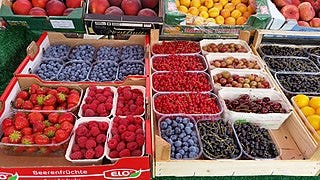
Three days before this test I am not allowed to eat berries, plums, grapes and grape products, walnuts, almonds, or legumes (aside from the black beans). Then in the 24 hours before the test, I can’t have coffee, tea, or dark chocolate. What all of these foods have in common, and the reason for all these restrictions leading up to testing the effects of the black beans specifically, is polyphenols.

Black Bean Fact of the Week
Your black bean fact of the week is that black beans contain a large amount of polyphenol compounds and this is one of the main reason that they are being studied for their capacity to manage inflammation & blood sugar among other processes. Polyphenols are a type of phytochemical, a compound produced by plants to regulate interactions with diseases, as well as other microbes and fungi, and which are not considered nutrients, but may also have effects on the human body. Polyphenols tend to have anti-oxidant properties in the lab (in vitro), but may not have the same properties in the body (in vivo), since they are quickly metabolized.
Common beans (such as black beans) are rich in polyphenols and this may make them very good for you. As this literature review on polyphenols in black beans states: “Animal experimental studies showed that polyphenol in common beans possess anti-oxidant properties and have various biological activities including anti-diabetic, anti-obesity, anti-inflammatory, antimicrobial, anticancer, hepatoprotective, cardioprotective, nephroprotective, neuroprotective, and osteoprotective.”
The coats of black beans contain a lot of a polyphenol called anthocyanin, which is also heavily prevelant in…berries, plums, and grapes. Which is why they wanted them out of my system before testing me. Studies seem to suggest that it may not be anthocyanin itself which has all of these health benefits, because the flavonoids are poorly absorbed, but rather in the process of reacting to these foreign compounds the body may get rid of mutagens and carcinogens. So this leads to the black beans and their polyphenols being targeted for study for anti-aging properties, general chronic disease, lowering cholesterol, and anti-diabetes properties among other things.
Recipes
We’re reaching the point of this experiment where I am revisiting some recipes that have worked, which may lead to fewer recipes per week.
J. Kenji Lopez Alt’s “Really Awesome Black Bean Burgers”
OK, yes, these black bean burgers are really awesome. My usual bean burger situation is a white bean burger recipe from the NY Times. But these black bean burgers might replace it. Drying the black beans out slightly in the oven before throwing them in the food processor makes them fry up in the cast iron almost like a meat burger. The seasoning is perfecto. Absolutely positively wholeheartedly recommend. Beans Used: 3 cups
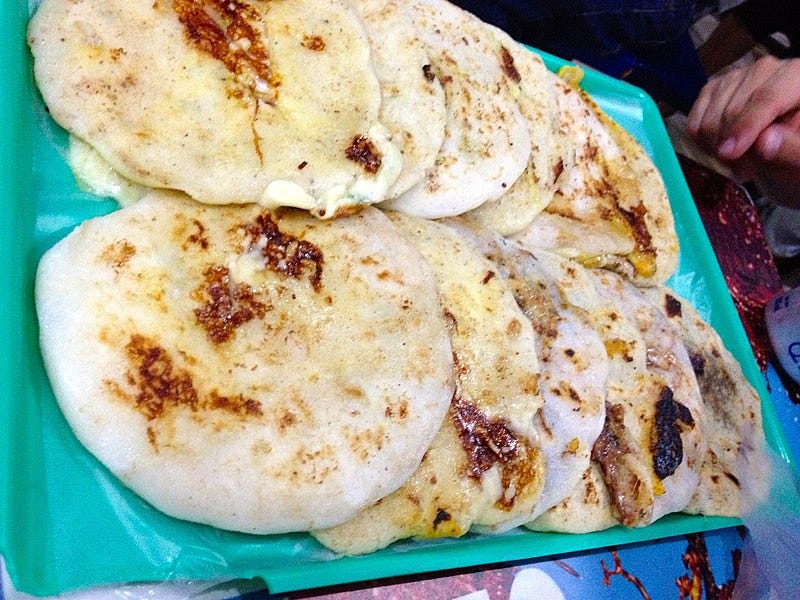
Should I have known better than to trust this extremely-not-Salvadoran lady’s take on pupusas? Yes, I probably should have. But it’s too late for that now. The flavors worked fine all around. I have no idea what her kitchen experience was like but the dough-to-filling ratio was all sorts of not correct. It was tasty enough, but it was not a shining example of structural integrity. Beans used: 1.5 cups
Kimchi + black beans
I was hungry and all out of brain power. I threw some kimchi and black beans together and then melted some Chiuahua cheese in. All in all, very fast, very easy, pleasantly edible and A+ for my internal microbial party. Beans used: 1 cup

Those burgers look goooood